

Soleus Air Conditioner Manual: A Comprehensive Guide
This manual provides essential guidance for Soleus Air conditioners, covering installation, operation, maintenance, and troubleshooting for optimal performance and longevity.
Welcome to the world of Soleus Air! We, powered by Gree, are dedicated to providing innovative and reliable cooling solutions for your comfort. This manual serves as a comprehensive resource for understanding and maximizing the performance of your new portable or window air conditioner.
Soleus Air conditioners are designed with user-friendliness in mind, offering convenient features and efficient operation; Whether you’re tackling a warm summer day or seeking a comfortable night’s sleep, our units deliver consistent cooling. This guide will walk you through everything from initial setup and operation to routine maintenance and troubleshooting common issues, ensuring years of reliable service.
Understanding Your Model: PSH-08-01 and Others
Soleus Air offers a diverse range of air conditioning models, including the popular PSH-08-01 portable unit. While specific features may vary, this manual covers the core functionalities common across most Soleus Air conditioners. Familiarize yourself with the components of your specific model – the control panel, air filter, condensate tank, and exhaust hose connection points.
Refer to the product information accompanying your unit for detailed specifications and diagrams. Understanding these components is crucial for proper installation, operation, and maintenance. Knowing your model number will also be helpful when contacting customer service for support or warranty claims. This guide aims to provide a general overview applicable to many Soleus Air units.
Installation and Setup
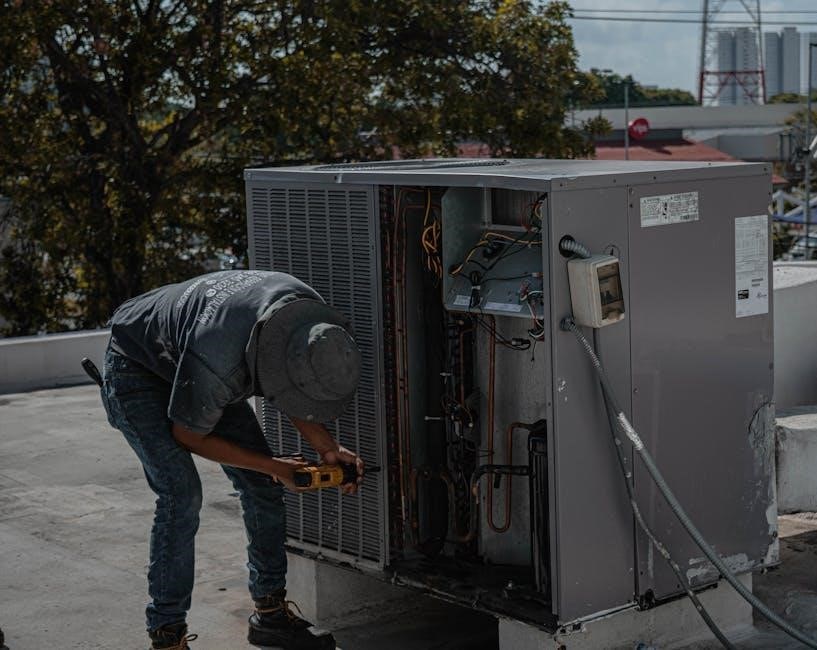
Proper installation is key for efficient cooling. This section details window kit installation, exhaust hose connection, and optimal placement for your Soleus air conditioner.
Proper Placement for Optimal Cooling
Achieving peak performance from your Soleus air conditioner hinges on strategic placement. Position the unit near a window for effective exhaust hose venting, ensuring minimal bends or obstructions in the hose pathway to maximize airflow. Avoid direct sunlight exposure, as this can strain the unit and reduce cooling efficiency.
Maintain sufficient space around the air conditioner – at least 18 inches – to allow for proper air circulation. Ensure the unit is on a level surface to prevent vibrations and noise. Avoid placing it near heat sources or in areas with high humidity. Consider the room size; a properly sized unit will cool more effectively. Proper placement contributes significantly to energy savings and overall comfort.
Window Kit Installation Instructions
Securely installing the window kit is crucial for efficient operation. Begin by selecting a suitable window that can accommodate the kit’s dimensions. Extend the side panels of the kit to fit snugly within the window frame, ensuring a tight seal to prevent warm air from entering.
Use the provided foam seals to fill any gaps between the kit and the window frame, further enhancing the seal. Carefully install the top panel, securing it with the included screws or locking mechanisms. Double-check the stability of the entire assembly before proceeding. A properly installed window kit minimizes energy loss and maximizes cooling performance. Refer to the diagrams in this manual for visual guidance.
Exhaust Hose Connection and Considerations
Proper exhaust hose connection is vital for expelling hot air outside. Firmly attach the exhaust hose to the back of the air conditioner unit, ensuring a secure and airtight fit. Connect the other end of the hose to the window kit’s exhaust port, again verifying a tight seal.
Avoid bending or kinking the hose, as this restricts airflow and reduces cooling efficiency. The hose length should be kept as short as possible for optimal performance. Regularly inspect the hose for any damage or obstructions. Ensure the exhaust area outside is clear of obstructions to allow for proper ventilation. A well-connected exhaust hose is essential for effective cooling.
Operating Your Soleus Air Conditioner
Effectively utilize your Soleus unit by understanding the control panel, selecting appropriate cooling modes, and adjusting fan speeds and the thermostat for comfort.
Control Panel Overview and Functions
The control panel is your central hub for operating your Soleus air conditioner. Typically, you’ll find power buttons for turning the unit on and off, mode selection buttons (Cool, Fan, Dry), and temperature adjustment controls – often utilizing up and down arrows. Fan speed settings, ranging from low to high, are usually selectable via dedicated buttons or a speed control dial.
Many models feature a timer function, allowing you to schedule operation. Some also include a sleep mode, which gradually increases the temperature overnight for energy savings and comfort. Pay attention to indicator lights; these signal the selected mode, cooling status, and potential error conditions. Familiarizing yourself with these functions ensures efficient and customized cooling.
Cooling Modes: Selecting the Right Setting
Your Soleus air conditioner offers various cooling modes to suit different needs. “Cool” mode actively lowers the room temperature, utilizing the compressor and fan. “Fan” mode circulates air without cooling, ideal for ventilation; “Dry” or “Dehumidify” mode removes moisture from the air, useful in humid climates – it operates at a lower fan speed.
Auto mode intelligently adjusts cooling based on the room temperature, providing consistent comfort. Selecting the appropriate mode optimizes performance and energy efficiency. For rapid cooling, use “Cool” with a high fan speed. For gentle air circulation, choose “Fan”. Consider “Dry” mode to reduce humidity and enhance comfort during damp weather.
Fan Speed and Thermostat Adjustment
Adjusting fan speed and the thermostat are crucial for personalized comfort. Soleus air conditioners typically offer multiple fan speeds – Low, Medium, and High – allowing you to control airflow intensity. Lower speeds are quieter and consume less energy, while higher speeds provide faster cooling.
The thermostat controls the target temperature. Lowering the temperature setting increases cooling, while raising it reduces cooling. Utilize the “Auto” setting for automatic temperature maintenance. Regularly check and adjust these settings to maintain your desired comfort level and optimize energy usage. Experiment to find the ideal combination for your specific needs and room conditions.
Maintenance and Care
Regular maintenance ensures optimal performance and extends the lifespan of your Soleus air conditioner; cleaning filters and draining condensate are key tasks.
Cleaning the Air Filter: A Step-by-Step Guide
Maintaining a clean air filter is crucial for efficient cooling and air quality. Begin by safely powering off and unplugging your Soleus air conditioner. Locate the filter, typically behind the front grille, and gently remove it. Vacuum the filter to remove loose dust and debris, or wash it with mild soap and water – ensure it’s completely dry before reinstalling.
A clogged filter restricts airflow, reducing cooling performance and potentially causing the unit to overheat. Inspect the filter monthly during heavy use, and clean or replace it as needed. Replacing the filter regularly, ideally every few months, guarantees optimal operation and prolongs the life of your Soleus air conditioner.
Draining the Condensate Tank
Regularly draining the condensate tank prevents overflow and ensures optimal performance of your Soleus air conditioner. Locate the drain tank, usually at the back or bottom of the unit, and carefully remove the drain plug or cap. Position a container underneath to collect the water – this can be a significant amount!
Allow the tank to drain completely, then securely replace the plug or cap. Frequent shutoffs can indicate a full tank or a blockage in the drain line. Inspect the drain line for obstructions and clear them if necessary. Proper drainage prevents water damage and maintains the cooling efficiency of your Soleus appliance.
Winter Storage Instructions
Preparing your Soleus air conditioner for winter storage is crucial for maintaining its longevity. Before storing, thoroughly clean the air filter and drain any remaining water from the condensate tank to prevent mold and mildew growth. Disconnect the unit from the power source and carefully remove the window kit and exhaust hose.
Store the air conditioner in a dry, well-ventilated area, protected from extreme temperatures and direct sunlight. Cover the unit with a plastic bag to keep out dust and debris. Ensure the storage location is free from pests. Following these steps will ensure your Soleus unit is ready for use next cooling season.
Troubleshooting Common Issues
Addressing problems like insufficient cooling, frequent shutdowns, power failures, and deciphering error codes are covered to restore your Soleus air conditioner’s function.
Air Conditioner Not Cooling: Diagnosing the Problem
If your Soleus air conditioner is running but failing to cool effectively, begin by verifying the thermostat settings, ensuring it’s set to ‘Cool’ mode and the desired temperature is significantly lower than the room temperature. Next, meticulously inspect the air filter; a clogged filter severely restricts airflow, hindering cooling performance.
Also, confirm that the exhaust hose is correctly connected and free from kinks or obstructions, as this is crucial for expelling hot air. Restricted airflow, whether from the filter or hose, is a primary culprit. Finally, check for any ice buildup on the cooling coils, which indicates a potential issue with the refrigerant or airflow. Contact customer service if these steps don’t resolve the issue.
Unit Shuts Off Frequently: Potential Causes
Frequent shutdowns of your Soleus air conditioner often point to a clogged condensate drain. This causes the unit to overheat and trigger an automatic shutoff as a safety measure. Regularly draining the condensate tank is vital. Another common cause is restricted airflow, stemming from a dirty air filter or obstructed vents – ensure these are clean and unobstructed.
Power fluctuations can also lead to intermittent operation. Verify a stable power supply and inspect the power cord for damage. Avoid overloading the circuit. If the issue persists after addressing these points, contact Soleus Air Customer Service for further troubleshooting recommendations, as it could indicate a more complex internal problem.
Power Issues and Cord Inspection
If your Soleus air conditioner isn’t powering on, begin with the basics: ensure it’s securely plugged into a functioning outlet. Next, meticulously inspect the power cord for any visible signs of damage, such as fraying, cuts, or exposed wires. A damaged cord presents a serious safety hazard and must be replaced immediately – do not attempt repairs yourself.
Also, verify the outlet itself is working by testing it with another device. Avoid using extension cords whenever possible, as they can limit power delivery. If the unit still fails to power on after these checks, contact Soleus Air Customer Service for assistance, as an internal electrical component may be faulty.
Error Codes and Their Meanings
Your Soleus air conditioner may display error codes to indicate specific issues. While code lists vary by model, understanding these signals can save time and potentially avoid unnecessary service calls. Common codes often relate to sensor malfunctions, compressor errors, or issues with the condensate drain system.
Consult your specific model’s documentation for a complete list of error codes and their corresponding solutions. Ignoring error codes can lead to further damage. If you encounter a code not listed in the manual, or are unsure how to proceed, immediately contact Soleus Air Customer Service for expert troubleshooting recommendations and guidance.
Advanced Troubleshooting
For persistent issues, address restricted airflow and condensate drain blockages; these often cause performance problems requiring detailed inspection and cleaning procedures.
Restricted Airflow Solutions
Reduced cooling capacity often stems from airflow restrictions. Begin by thoroughly cleaning the air filter, as a clogged filter is a common culprit. Inspect the intake and exhaust vents for obstructions like furniture, curtains, or debris, ensuring ample space around the unit.
Verify the exhaust hose isn’t kinked or crushed, hindering proper ventilation. Confirm the window kit is securely installed, creating a tight seal to prevent warm air from re-entering the room. If issues persist, carefully examine the internal fan for any blockages or malfunctions. A professional inspection might be necessary to address internal component problems affecting airflow.
Addressing Condensate Drain Blockages
Frequent shutoffs and error signals frequently indicate a blocked condensate drain. Locate the drain plug or tank (refer to your model’s specific diagram) and carefully remove any accumulated water. A wet/dry vacuum can assist in clearing stubborn blockages within the drain line.
To prevent future issues, periodically flush the drain line with a mild bleach solution (diluted appropriately) to inhibit mold and algae growth. Ensure the unit is positioned to allow for proper drainage; avoid placing it on uneven surfaces. If blockages persist despite these efforts, professional servicing may be required to thoroughly clear the drain system.
Customer Support and Warranty
For troubleshooting assistance or warranty claims, contact Soleus Air Customer Service directly; avoid pressing the TEST button during operation.
Contacting Soleus Air Customer Service
Reaching Soleus Air Customer Service is straightforward when you encounter issues not addressed in this manual. For prompt assistance with troubleshooting, warranty inquiries, or general product support, it’s best to prepare your model number (like PSH-08-01) and purchase date. While specific contact details may vary, generally, you can find their phone number and email address on the official Soleus Air website.
Be prepared to describe the problem clearly, including any error codes displayed on the unit. Customer service representatives are equipped to guide you through diagnostic steps and determine the best course of action, whether it’s a simple fix or a warranty claim. Remember to avoid self-repair attempts that could void your warranty.
Warranty Information and Claim Process
Your Soleus Air Conditioner is backed by a limited warranty, protecting against manufacturing defects in materials and workmanship. The warranty period varies depending on the specific model, so retain your proof of purchase to verify the coverage duration. To initiate a warranty claim, contact Soleus Air Customer Service – having your model and serial number readily available will expedite the process.
The claim process typically involves describing the issue, providing proof of purchase, and potentially returning the unit or defective parts for inspection. Warranty coverage generally excludes damage resulting from misuse, improper maintenance, or unauthorized repairs. Carefully review the full warranty terms and conditions for complete details.